Floor Moisture Barrier
CALL US TODAY! 904-657-6815
Protect Your Floors from Damage
A floor moisture barrier is one of the most important investments you can make when it comes to protecting your home or commercial space. Moisture beneath flooring can lead to warping, mold, mildew, and structural damage over time. Whether you are installing hardwood, laminate, tile, or concrete flooring, a high-quality floor moisture barrier provides a reliable defense against these costly problems.
Understanding the risks of moisture infiltration is critical. Water vapor from the ground or spills can seep through your flooring, often unnoticed, causing long-term damage to your investment. Many homeowners and business owners underestimate the importance of a floor moisture barrier, but the truth is that prevention is far less expensive and less disruptive than repairs after damage occurs.
Benefits of Installing a Floor Moisture Barrier
Installing a floor moisture barrier brings multiple benefits that protect your property and maintain the value of your flooring. One of the key advantages is the prevention of mold and mildew growth. Moisture trapped under flooring creates the perfect environment for these harmful organisms, which can lead to unpleasant odors, allergic reactions, and even structural problems. By installing a barrier, you can significantly reduce the risk of mold-related issues.
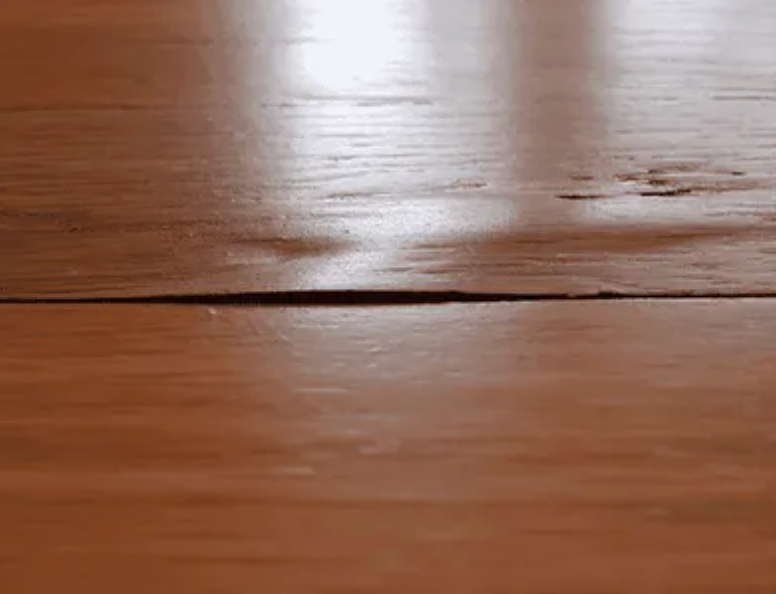
Another benefit of a floor moisture barrier is that it helps extend the life of your flooring. Wood, laminate, and engineered materials are all susceptible to swelling, buckling, and warping when exposed to excess moisture. A properly installed barrier acts as a protective layer, keeping your floors dry and stable over the long term. This protection translates to fewer repairs, less maintenance, and greater overall value for your property.
Flooring comfort and energy efficiency are additional advantages. A moisture barrier can act as an insulating layer, helping to maintain consistent temperatures and reducing the likelihood of cold or damp floors. This is especially important in basements, crawl spaces, and other areas where moisture is more likely to accumulate. With a floor moisture barrier, you can create a healthier and more comfortable living environment.
Types of Floor Moisture Barriers
There are several types of floor moisture barriers available, each designed to address specific needs and flooring materials. Plastic sheeting is a common and cost-effective option, ideal for preventing moisture from seeping through concrete slabs or crawl spaces. This type of barrier is easy to install and provides a reliable level of protection for many flooring projects.
Liquid-applied moisture barriers are another option. These products are painted or rolled directly onto the subfloor, forming a seamless protective layer. Liquid barriers can be particularly effective in areas with complex layouts, as they conform to the contours of the floor and prevent gaps that may allow moisture to penetrate.
Foam underlayment products combine cushioning and moisture protection, making them ideal for laminate and engineered wood flooring. These floor moisture barriers not only block moisture but also improve comfort and sound insulation. Choosing the right type of barrier depends on your specific flooring material, the environment, and the level of protection required.
Where Floor Moisture Barriers Are Most Effective
Floor moisture barriers are essential in areas prone to high humidity, water exposure, or seasonal changes. Basements are a prime example, as they are typically below ground level and more susceptible to water infiltration. Installing a barrier in a basement prevents rising moisture from damaging flooring and creating mold problems.
Crawl spaces are another area where a floor moisture barrier is highly effective. Moisture can accumulate beneath the house, causing structural issues and compromising indoor air quality. A barrier provides a shield against this hidden moisture, ensuring that your floors remain dry and stable.
Bathrooms, laundry rooms, and kitchens also benefit from moisture protection. These areas are naturally exposed to water spills and high humidity. By integrating a floor moisture barrier, you reduce the risk of long-term damage, maintaining both the beauty and durability of your floors.
Cost-Effectiveness of Floor Moisture Barriers
While some property owners may hesitate at the upfront cost of installing a floor moisture barrier, the long-term savings far outweigh the investment. Repairs caused by water damage, mold remediation, and flooring replacement can be extremely expensive. A barrier prevents these issues before they start, providing peace of mind and financial protection.
Additionally, a floor moisture barrier can improve the efficiency of your HVAC system. By reducing moisture and maintaining stable temperatures, your heating and cooling systems do not have to work as hard to regulate indoor climate. This benefit may not be immediately obvious, but it contributes to lower energy bills and a more comfortable living space.
Signs You Need a Floor Moisture Barrier
Knowing when a floor moisture barrier is necessary can prevent serious problems. Common signs include persistent dampness, musty odors, visible mold, or warped flooring. If your space is prone to flooding or sits above a high water table, installing a barrier is strongly recommended.
Even if you do not currently see signs of water damage, proactive installation can save significant time, money, and stress in the future. Protecting your floors before issues arise is the most effective way to maintain their longevity and appearance.
Choosing the Right Floor Moisture Barrier
Selecting the best floor moisture barrier for your property depends on several factors. Consider the type of flooring, the environment, and the level of moisture protection required. Consulting with a professional ensures that you choose a solution that meets your specific needs. A professional team can also guarantee proper installation, which is critical for achieving full effectiveness.
The quality of the materials used is equally important. High-grade barriers are designed to withstand pressure, resist tears, and maintain integrity over time. Investing in a reliable product ensures long-lasting protection and minimizes the likelihood of future repairs.
Floor Moisture Barrier Maintenance
Once installed, a floor moisture barrier generally requires minimal maintenance. Regular inspections can help identify any potential issues, such as tears, gaps, or areas of high moisture concentration. Prompt attention to minor problems ensures that your barrier continues to provide maximum protection.
Keeping the surrounding area dry and well-ventilated enhances the effectiveness of the barrier. Proper maintenance not only protects your floors but also contributes to a healthier indoor environment for you and your family or employees.
A floor moisture barrier is an essential investment for anyone looking to protect their floors, maintain indoor air quality, and prevent costly damage. From basements and crawl spaces to kitchens and bathrooms, moisture protection is critical in every area where flooring may be exposed to water or humidity. The benefits of a barrier include mold prevention, extended flooring life, improved comfort, and long-term cost savings.
For property owners who value the safety, durability, and longevity of their flooring, hiring a professional company is the best way to ensure reliable results. Surface Removal Systems specializes in providing and installing high-quality floor moisture barriers, protecting your floors from moisture-related damage and preserving the value of your property. Contact Surface Removal Systems today to invest in peace of mind and safeguard your floors for years to come.
Key Takeaways: Floor Moisture Barrier
- A floor moisture barrier prevents water, vapor, and humidity from damaging flooring materials.
- Installing a barrier reduces the risk of mold, mildew, and unpleasant odors in your home or commercial space.
- Floor moisture barriers extend the life of hardwood, laminate, tile, and concrete floors by preventing warping and buckling.
- These barriers are effective in basements, crawl spaces, bathrooms, kitchens, and any moisture-prone areas.
- Options include plastic sheeting, liquid-applied barriers, and foam underlayment, each suited to different flooring types.
- Investing in a floor moisture barrier is cost-effective, saving money on repairs and maintenance over time.
- Signs that a barrier may be needed include damp floors, musty odors, visible mold, or warped flooring.
- High-quality barriers improve indoor comfort and energy efficiency by stabilizing floor temperature and moisture levels.
- Minimal maintenance is required once installed, with periodic inspections to ensure continued protection.
- Hiring professionals, such as
Surface Removal Systems, ensures proper selection and installation for maximum effectiveness.







